
A new basketball season brings fresh expectations, but the work your team puts in during preseason can shape its performance once games begin. Coaches have limited time to get their teams ready, so every practice needs a clear purpose. The most useful pro tips to prepare for basketball season help you establish routines that support your athletes throughout the year. Thoughtful preparation gives everyone a clearer understanding of what's expected when competition begins.
1. Evaluate Your Team’s Starting Point
Every team enters preseason with its own strengths and weaknesses. Rather than immediately increasing practice intensity, take time to observe your athletes during familiar drills. During scrimmages, pay attention to situations where they struggle to execute familiar plays. Use those observations to identify which areas deserve more practice time.
You should also consider each player's experience when setting expectations. Returning athletes may already understand your system, while newcomers might need additional time to adjust. Give everyone opportunities to demonstrate their abilities without treating early mistakes as setbacks. As you learn more about your roster, you can build practices around the team's actual needs.
Turn Observations Into Practice Goals
Once you identify areas that need work, choose a specific priority for your next practice. For example, if your team struggles to maintain spacing during offensive possessions, dedicate part of the session to that situation. Explain what you want your athletes to accomplish so they understand the purpose behind the drill. Return to that priority in a later session to evaluate whether they've improved.
2. Build a Consistent Practice Schedule
A predictable practice schedule helps athletes manage their commitments as the season approaches. However, maintaining consistency doesn't mean every session needs to follow the same format. As your team progresses, you can adjust the workload while keeping training routines familiar and manageable.
A few practical scheduling habits can make preseason preparation easier to manage:
- Set regular practice times that athletes can plan around
- Reserve gym space early to avoid scheduling conflicts
- Allow enough time between demanding training sessions
- Communicate schedule changes as soon as possible
- Review upcoming commitments with your team each week
3. Make Shooting Practice More Productive
Give your team regular shooting opportunities during preseason so players can work toward more consistent performances. Consider dedicating part of each practice to shooting workouts that participants can complete with minimal interruptions. Basketball shooting machines can help by collecting rebounds and delivering passes, allowing shooters to continue practicing without requiring another person to retrieve every ball. This gives coaches more flexibility when organizing individual workouts.
The Dr. Dish Arc1 is a basketball shooting machine that provides shot-arc feedback, giving athletes a better understanding of their shooting trajectory as they practice. Coaches can use this technology to make individual shooting sessions more focused, allowing athletes to review their results and identify areas that need improvement. With that feedback, you can help each shooter set specific goals for their next workout and track their progress over time.
Give Every Shooting Session Direction
Give each player a specific objective during shooting practice so they understand what you expect them to accomplish. You might ask an athlete to complete a workout from specific court locations while monitoring their results. Once they're comfortable with the routine, introduce a reasonable performance target. Review their results afterward to determine whether the target was appropriate for their current ability.
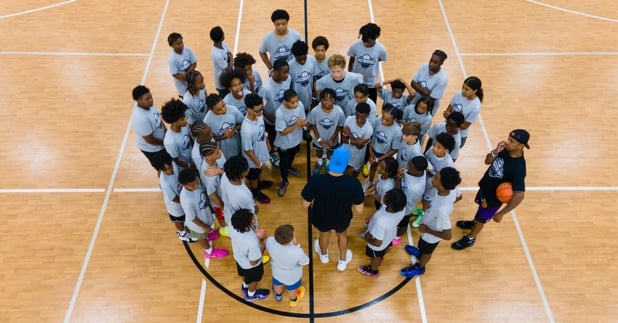
4. Prepare Players for Game Conditions
Controlled drills have their place, but players also need experience making decisions under game-like pressure. As preseason progresses, introduce situations that require your team to respond to defensive pressure. You can begin with familiar offensive actions and gradually make the drill more competitive.
One of the most valuable tips to prepare for basketball season is to give your team opportunities to make decisions under realistic game conditions. During scrimmages, pay attention to the decisions athletes make when their first option disappears. Instead of stopping every possession, allow certain sequences to continue so they can respond independently. Afterward, discuss a specific moment and ask what they noticed.
Introduce Pressure With a Purpose
Explain the purpose of each competitive drill so athletes know which decisions deserve their attention. If your team struggles to create quality scoring opportunities against tight defense, build a drill around that challenge. Give defenders a realistic assignment and let the offense work through the possession. Then provide feedback that addresses the decisions they made rather than focusing exclusively on the outcome.
5. Review Your Basketball Equipment
Equipment problems can interrupt valuable practice time, especially when several athletes share the same training space. Review your existing equipment and identify anything that requires maintenance or replacement. Check whether your equipment can accommodate the number of participants involved in each drill.
A preseason equipment review can help you identify potential issues before they interrupt practice. Focus on the following areas:
- Basketballs that need proper inflation or show signs of wear
- Hoops and backboards with visible damage
- Shooting machines that require testing according to manufacturer instructions
- Equipment that may not fit comfortably within your available court space
- Storage areas that need better organization or easier access
6. Strengthen Team Communication
Players need to understand their roles before they can consistently execute your team's offensive and defensive plans. During preseason, explain what you expect during practices and encourage them to ask questions. Demonstrate what you expect during drills so everyone has a clear example to follow. Clear communication also reduces confusion when you introduce new activities.
Your communication shouldn't stop when practice ends. Consider having brief conversations with athletes about their individual progress throughout preseason. Ask which situations they find challenging so you can address specific concerns during practice. When you make feedback specific and constructive, your team has a clearer idea of what to work on next.
7. Establish a Preseason Progress Check
As the first game approaches, review what your team has accomplished during training. Compare recent performances with the observations you made at the beginning of preseason. Evaluate progress against the specific goals you established during your first practices. If they continue struggling with a particular situation, dedicate part of your remaining practice time to addressing it.
Use what you've learned to focus your remaining practices on the areas that need the most attention. Rather than trying to fix every weakness, give your team a few clear priorities to work on before the season begins. Take time to recognize their progress and point out where they've improved. By opening night, your athletes should have a better understanding of their roles and what they need to keep working on.
Dr. Dish offers basketball shooting machines that can support focused shooting workouts throughout the season, giving coaches another way to maintain consistent training opportunities. Explore Dr. Dish shooting solutions and find equipment that fits your program's goals.