
A shooting machine can change the pace of a workout, but the right option should do more than send basketballs back to the shooter. If you’re not sure what to look for in a basketball shooting machine, focus on equipment that matches the training environment you manage. Some machines offer basic rebounding and passing, while others give you greater control over workouts and performance feedback. Knowing which features will support your training makes it easier to compare your options.
Prioritize Your Training Goals
Consider what you want players to accomplish during a typical session. A coach running team workouts may need equipment that keeps several players moving efficiently, while a dedicated shooting workout may call for tighter control over pass locations and repetition. Your goals give you a practical starting point for evaluating each machine.
You’ll also want to consider the level of structure you expect during training. If players need guidance through specific workouts, programmable options may prove useful because they let you establish a repeatable session instead of manually directing every rep. That consistency can make the machine easier to integrate into your existing practice routine.
Check Passing Capabilities
Passing is one of the core functions you’ll rely on during a machine-based shooting workout. You should look at the available passing locations and consider whether players can receive the ball where they want to train. Adjustable passing options give coaches greater freedom to build workouts around different areas of the floor.
A basketball shooting machine generally rebounds made or missed shots and returns the ball to the player, reducing the need for another person to stand under the basket throughout the workout. More advanced models may add programmable passing, training modes, or performance feedback that changes what you can accomplish during a session.
Compare Training Controls
Controls deserve close attention because you’ll interact with them every time you set up a workout. A machine packed with features won’t help much if coaches or players struggle to access the settings they need. You want controls that make sense for your training environment and don’t create unnecessary downtime between drills.
Useful controls allow you to:
- Adjust the time between passes
- Select specific passing locations
- Set a target number of shots
- Create or select structured workouts
- Review available workout information
Consider Performance Feedback
If you want more information from each session, look at the type of feedback a machine provides. Basic equipment may focus primarily on returning the basketball, while connected systems may help players or coaches review workout results. You should decide whether that information fits the way you evaluate training.
Feedback is especially useful when it gives players information they can act on during or after a workout. Rather than relying entirely on memory, you may have a clearer record of what happened during the session. That gives you another reference point when planning future workouts.
Evaluate Workout Flexibility
Your machine should be flexible enough for training. You may want a focused shooting workout during one practice and a faster-paced session during another. Adjustable settings make it easier to change the workload without swapping equipment.
Programming options can also help when several players use the same machine. Instead of rebuilding every workout manually, you may be able to select an established routine and get started quickly. That convenience is particularly relevant in schools and training facilities where court time must serve many athletes.
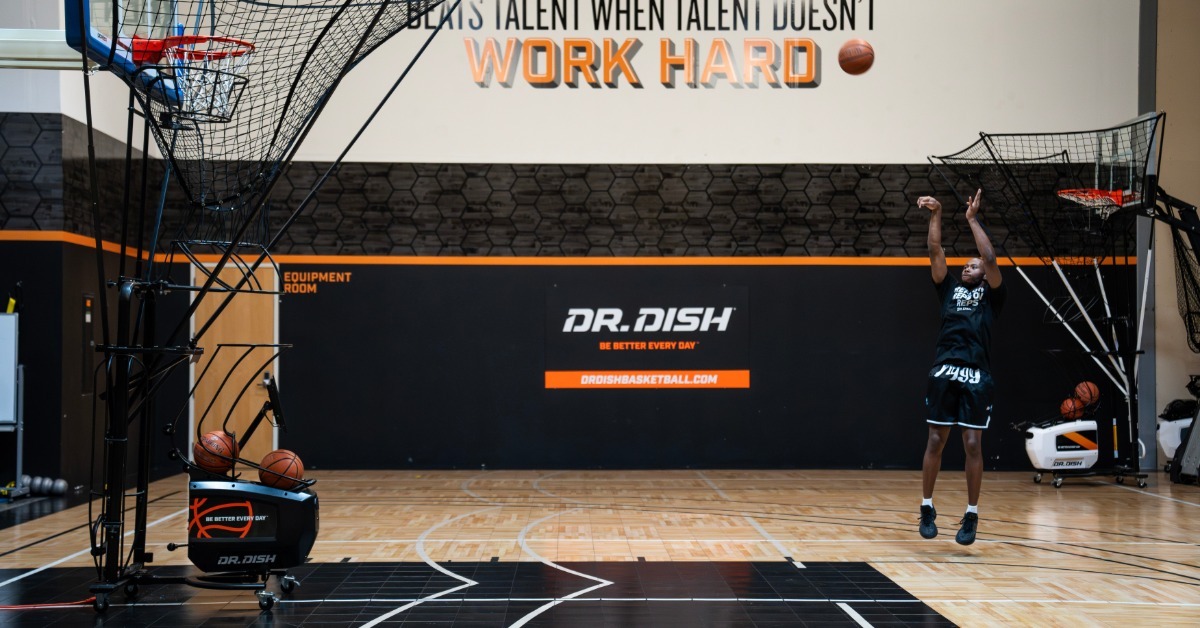
You can see this type of flexibility in the Dr. Dish Arc1, which lets coaches build custom drills around the goal, shot type, tempo, and number of balls while programming passes to locations across the court. Coaches can also save custom drills and use multi-range programming when a workout calls for attempts from different areas. Additionally, the machine includes more than 250 pre-programmed drills and workouts, giving players another option when a custom session isn’t necessary. These features make it easier to adjust the structure of a workout based on what you want players to work on that day.
Review Machine Durability
A shooting machine may handle thousands of ball contacts and repeated setup over its working life, so durability deserves more than a quick glance. You should examine the construction of the machine and consider the environment where you’ll use it. Commercial programs may place heavier demands on equipment than a home user who trains several times each week.
Durability also includes the parts you’ll handle regularly. Nets, moving components, wheels, controls, and ball-return systems all contribute to the ownership experience. Before buying, check what the manufacturer says about maintenance and replacement parts, so you have a clearer picture of long-term upkeep.
Check Setup and Mobility
A useful machine should fit naturally into the space where you plan to train. Before purchasing, check the machine’s dimensions and compare them with your court layout and available storage area. If you expect to move the unit regularly, mobility becomes part of the buying decision.
You should also consider the setup process. Equipment that takes too long to prepare may cut into valuable court time, especially when teams follow tight practice schedules. A practical setup helps coaches shift into shooting work without turning equipment preparation into its own activity.
Understand Support Options
Buying the machine starts the ownership experience, so take time to review the support available afterward. You’ll want to know where to turn if you have questions about operation or replacement components. Clear support resources can save time when you need help getting the equipment back into regular use.
Before you commit, review the manufacturer’s available service information instead of assuming every company provides the same coverage. Important areas to investigate include:
- Warranty terms and coverage details
- Available maintenance guidance
- Replacement part availability
- Software or system support
- Customer service contact options
Match Features to Budget
Price deserves context because two machines at different price points may offer very different training capabilities. Rather than choosing solely by the initial cost, consider which functions your players will use and which ones would sit untouched. Paying for features that don’t fit your training approach won’t automatically make the equipment a better investment.
You should also think about the machine across its expected use within your program. A school or facility that serves many shooters may have different needs than someone buying equipment for a home court. When you connect the cost to actual use, you’ll have a stronger basis for comparing your options.
Make the Final Comparison
Once you’ve narrowed the field, compare machines according to the training experience you want to create rather than choosing based on a single headline feature. The best fit should support the workouts you plan to run while remaining practical for the people who will operate it.
If you’re considering Dr. Dish, our lineup includes options for schools, facilities, and home training. Take a closer look at the available Dr. Dish machines and request pricing when you’re ready to see which option fits your program. Choosing carefully now gives you equipment that supports the kind of shooting work you want players to return to throughout the season.