

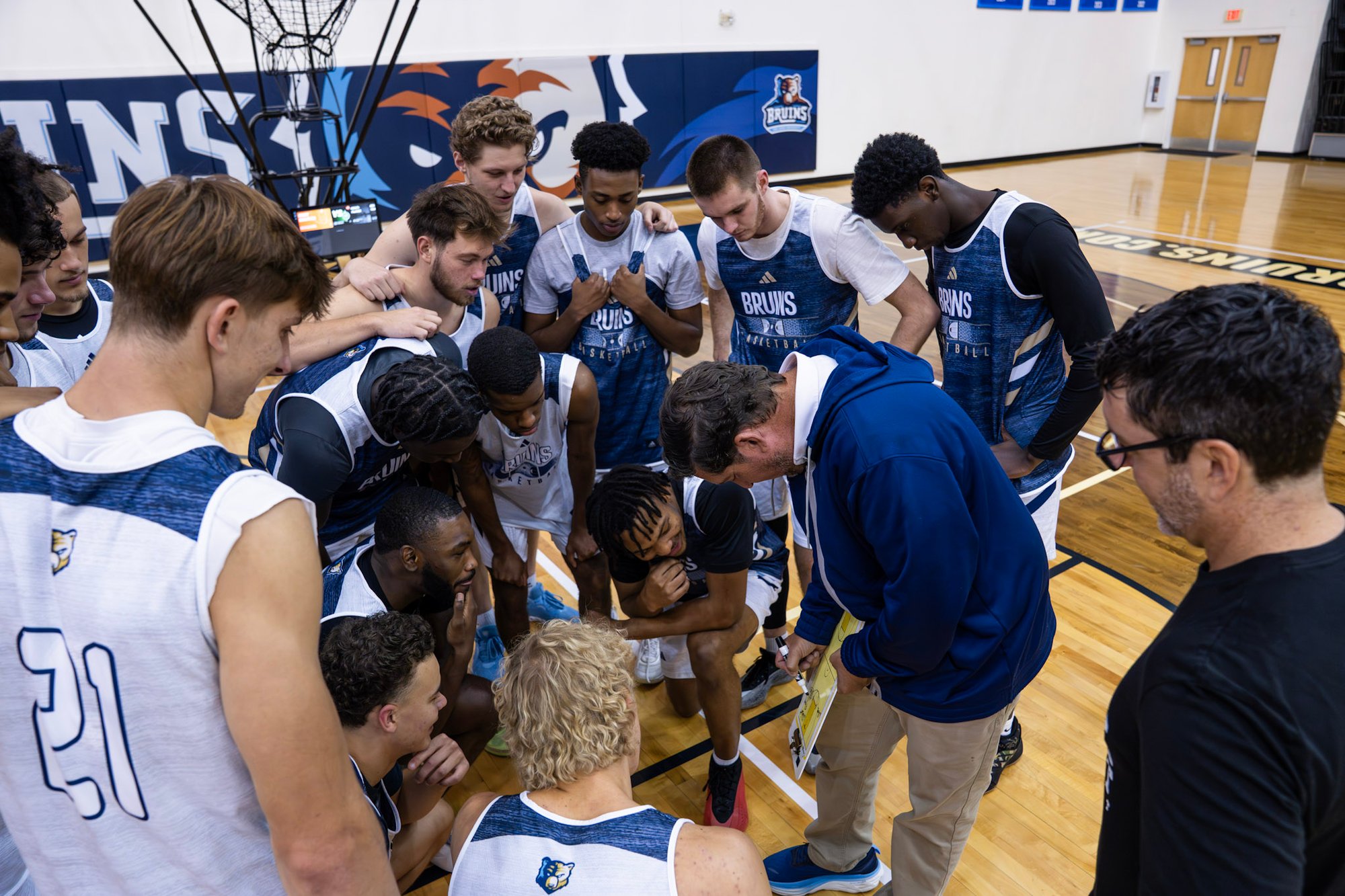
Being a Good teammate
Every basketball season has a story. Some are filled with wins, highlight plays, and packed gyms. Others are defined by close losses, injuries, or rebuilding years where victories are hard to come by. What often gets overlooked, though, is that your true value as a player isn't measured only when things are going well. It's revealed when things aren't.
Being a good teammate matters just as much, if not more, when the season is going bad.
When the season is going well
It's easy to be a good teammate when you're winning. High fives come naturally, the ball moves freely, and everyone enjoys practice a little more. But even during success, good teammates stay grounded. They don't let ego creep in. They celebrate others just as loudly as themselves, stay locked in defensively, and keep the locker room focused on improvement instead of comfort.
Winning teams fall apart when players start worrying about more minutes, points, or attention instead of the team's goals. The best teammates understand that success is fragile and that chemistry is something you protect daily.
When the season is going bad
This is where character really shows.
Losses test patience. They test confidence. They test relationships. A bad season can easily turn into finger-pointing, negative body language, and quiet resentment. Good teammates fight against that.
Being a good teammate during tough times means:
- Showing up with energy, even when motivation is low
- Encouraging teammates after mistakes instead of reacting with frustration
- Practicing hard, regardless of the standings
- Holding yourself accountable before blaming others
No one likes losing, but how you respond to losing defines who you are as a player and person. Coaches remember the players who stayed positive. Teammates remember who had their backs when things were tough.
Leadership isn't about stats
You don't need to be the leading scorer or the team captain to lead. Leadership can look like sprinting back on defense when you're down 20. It can look like clapping for a teammate who's struggling. It can look like listening instead of complaining.
Basketball is emotional. Shots won't fall. Calls won't go your way. Seasons won't always be fair. A good teammate understands that everyone is dealing with something and chooses to add stability, not stress.
Leadership isn't about stats
You don't need to be the leading scorer or the team captain to lead. Leadership can look like sprinting back on defense when you're down 20. It can look like clapping for a teammate who’s struggling. It can look like listening instead of complaining.
Basketball is emotional. Shots won’t fall. Calls won’t go your way. Seasons won’t always be fair. A good teammate understands that everyone is dealing with something and chooses to add stability, not stress.
The bigger picture
Years from now, most players won't remember every score or stat line. But they will remember who made the gym a better place. Who stayed real. Who competed hard no matter the circumstances.
Being a good teammate isn't conditional. It doesn't depend on wins, minutes, or roles. It's a mindset you bring every day.
Because in basketball, and in life, how you handle adversity says more than how you handle success.