

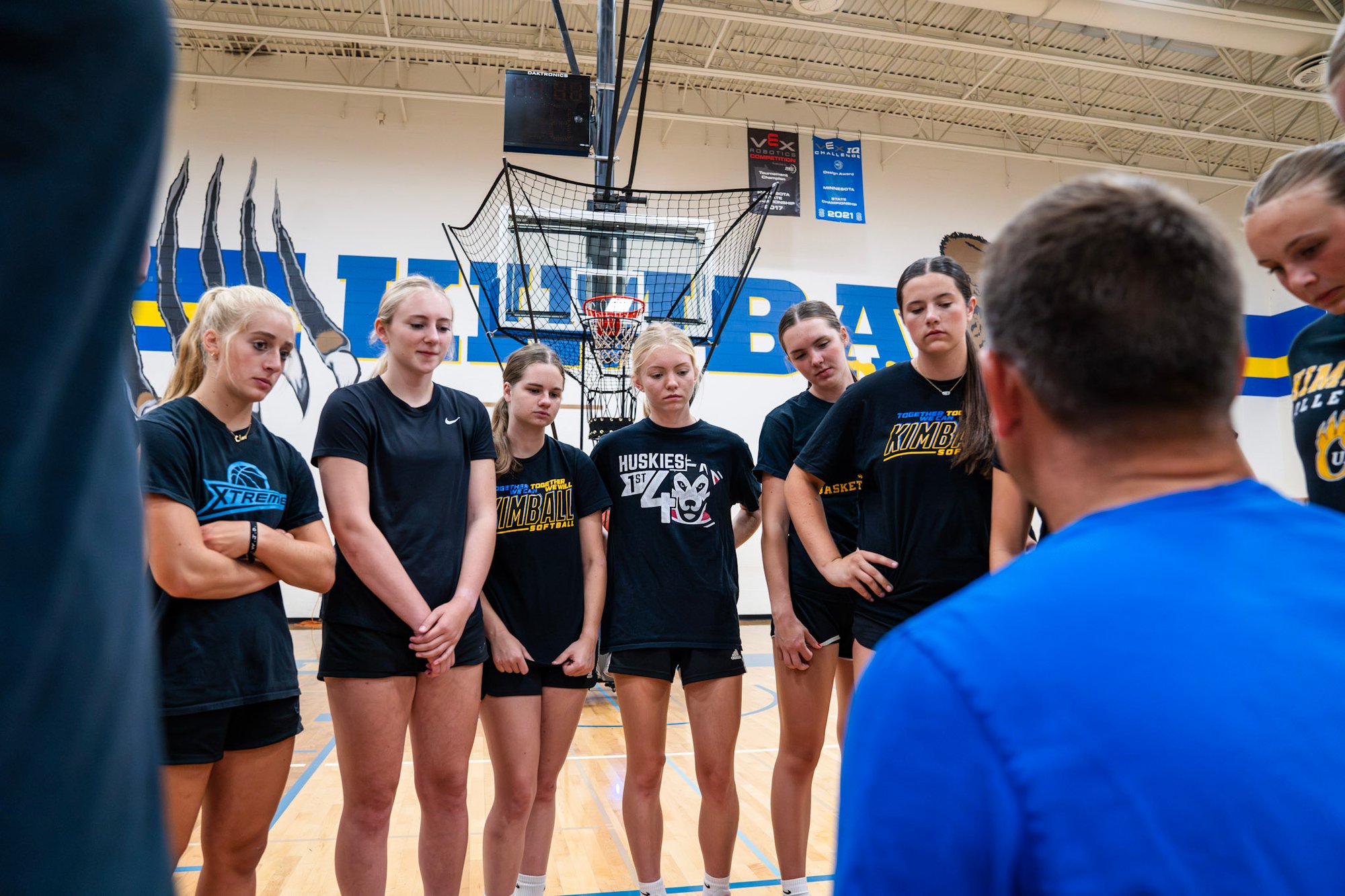
When the real season begins
High school basketball seasons move fast. Before you know it, you’re through the holidays, conference play is in full swing, and postseason conversations start to get louder. For coaches, the temptation is to define the season early by either riding the high of a great start or feeling weighed down by a rough first half.
But the truth is simple and powerful. The second half of the season is the season!
Championships, legacies, and player growth are rarely decided in November or December. They’re decided by who is playing their best basketball when it matters most.
Building on a great start
If your team has had a strong first half that's awesome, but now the real coaching begins.
Early success can create comfort. Comfort can quietly lead to bad habits, reduced urgency, and a belief that “what we’re doing is good enough.” The best teams don’t chase wins, they chase improvement through disciplined practice habits and purposeful basketball training.
The second half of the season is where great teams separate themselves by:
- Sharpening execution instead of expanding the playbook
- Demanding consistency in practice, not just effort on game night
- Holding players accountable to details like spacing, communication, shot selection, and defense
Strong teams understand that everyone is scouting them now. Tendencies are exposed. Counters must be taught. Roles must be clarified. The teams that peak late are the ones that use success as motivation to raise the standard, not protect it.
turning a tough season into a meaningful one
If the first half hasn’t gone as planned, the second half is your greatest opportunity.
High school basketball is about more than records. It’s about teaching resilience, belief, and growth. A season that starts poorly can still become one of the most valuable seasons your players ever experience.
The second half allows you to:
- Reset goals and redefine success
- Simplify schemes to maximize strengths
- Empower players to take ownership of improvement
- Build confidence through small, tangible progress
Teams that struggle early often improve the most because they’re forced to confront weaknesses honestly. When players see that improvement leads to better basketball, even if wins come slowly, it reinforces the habits that matter beyond the season.
Some of the most dangerous teams in March are the ones that didn’t quit in January.
Why late-season basketball matters most
The second half of the season teaches lessons that last far beyond high school:
- How to respond when things get hard
- How to stay hungry when things go well
- How to prepare when pressure increases
- How to trust teammates when margins get smaller
For seniors, it’s the final chapter. For underclassmen, it’s the foundation they’ll build on next year. For coaches, it’s when your culture is most visible.
Anyone can coach energy early. Great coaches sustain belief, focus, and discipline in practice and basketball training when fatigue, injuries, and adversity show up.
The message to your team
Whether you’re 12–2 or 2–12, the message should be the same:
“We haven’t played our best basketball yet.”
When players believe that, practices have purpose. Games have urgency. And the season still has meaning.
The second half isn’t about saving a season or protecting a record. It’s about becoming the best version of your team, together, when it matters most.
And that’s the kind of basketball players remember long after the final buzzer!